


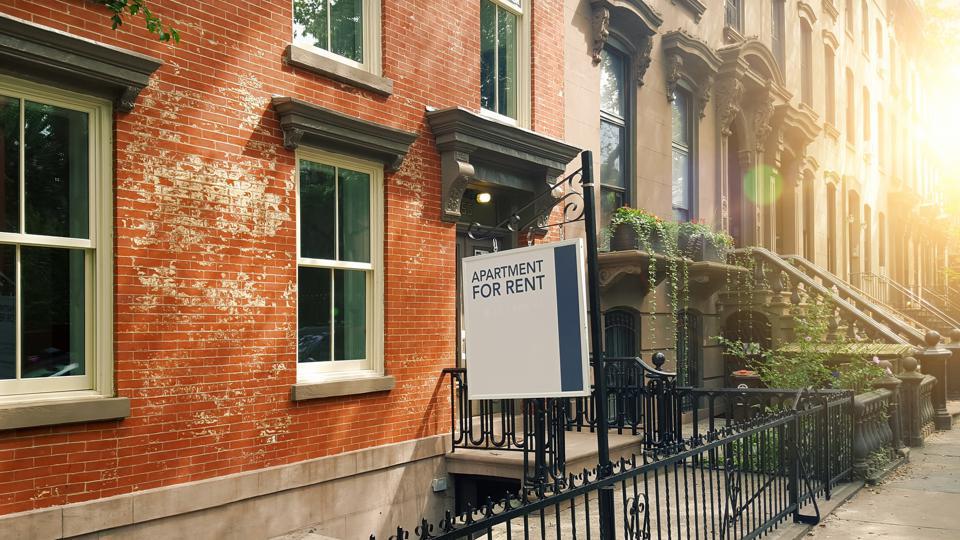
Do you spend hours watching HGTV or looking at homes on Zillow? If so, it might be time to consider investing in rental property. The housing market is currently thriving, making it an opportune time for beginners to explore real estate investment. However, before diving in headfirst, there are a few key questions you should ask yourself. In this article, we’ll cover six important considerations to help you make an informed decision.
1. Is Rental Property Investing Right for You?
While real estate may seem like an easy way to generate passive income, it’s crucial to be prepared for potential challenges. Investing in rental properties can often entail more upkeep and demands than anticipated. Before taking the plunge, evaluate your financial situation. Determine if you have an emergency fund that can cover at least six months of expenses. Pay off any high-interest debt and ensure you’re setting aside 15% of your income for retirement. Additionally, ensure you have enough savings to cover maintenance, insurance, or mortgage payments in between renters. Investing in real estate requires a solid financial foundation and a willingness to take on new opportunities.
2. What Sort of Rental Property Should You Buy?
Before investing, consider how much you have to spend and whether you’ll pay in cash or take out a mortgage. If you opt for financing, lenders will assess your credit score, down payment availability, debt-to-income ratio, and whether you plan to use equity from a current property. Purchasing a rental property provides a unique opportunity to grow your wealth. Unlike investing in the stock market, leveraging real estate allows middle-class Americans to make significant investments. When comparing different real estate opportunities, estimate the rent you’ll be able to charge and develop a realistic cash flow plan. Calculate all incoming and outgoing expenses, including mortgage payments, insurance, and unexpected costs.
3. How Will You Manage Your Rental Property?
Most rental property owners fall into one of two categories: those who purchase properties close to where they live or those who convert a prior residence in a different location into a rental property. Regardless of your approach, you’ll need to decide whether you’ll handle maintenance issues yourself or hire a management company. Many individuals begin by managing the property themselves but eventually transition to paying a management company. Property management companies can handle selecting reliable tenants, day-to-day maintenance, and even eviction processes. However, if you choose to manage the property yourself, factor in the time required for travel and handling these tasks.
4. How Will You Handle the Business?
In addition to managing your rental properties, working with a management company has the added benefit of tax deductions. Mortgage interest, property tax, depreciation, repairs, operating expenses, and management fees can be deducted from your taxable income. Create a separate bank account dedicated to your rental property, or consider setting up a limited liability company (LLC) to handle income and expenses. By treating your investment as a business, you can better protect yourself from liability and manage your finances more effectively.
5. Can You Avoid Common Rental Property Investing Mistakes?
To ensure long-term success with rental properties, avoid common mistakes that could lead to financial losses. Many investors make the mistake of assuming they’ll have tenants consistently, without accounting for vacancies, late payments, or unexpected repairs. Additionally, be aware of homeowner’s association regulations and city guidelines before renting out a property. Avoid investing too much money in renovations or taking on excessive debt. It’s wise to start with one property to learn the ins and outs before expanding your portfolio. Take your time, research diligently, and proceed with caution.
6. What Are the Alternatives to Owning Rental Property?
While owning rental properties is a desirable investment, it may not be suitable for everyone. If becoming a landlord or dealing with property upkeep doesn’t align with your goals, there are alternative options to consider. For example, you can invest with someone else, pooling your resources to minimize risks. Alternatively, platforms like Fundrise or CrowdStreet allow for micro-investments in real estate, where you can collectively buy property with others. Another option is to invest in real estate through the stock market by buying shares of housing industry companies, investing in funds with real estate exposure, or purchasing real estate investment trusts (REITs). These strategies offer broader property exposure and help diversify risks. Lastly, if you’re unsure about becoming a landlord, you can start by renting out the property you currently live in as a way to ease into property ownership.
Investing in rental property can be a lucrative venture, but it requires careful consideration and planning. By following these best practices, you’ll be well on your way to making informed decisions and maximizing your investment potential. Happy investing!
For more information on investment, visit investment.
