


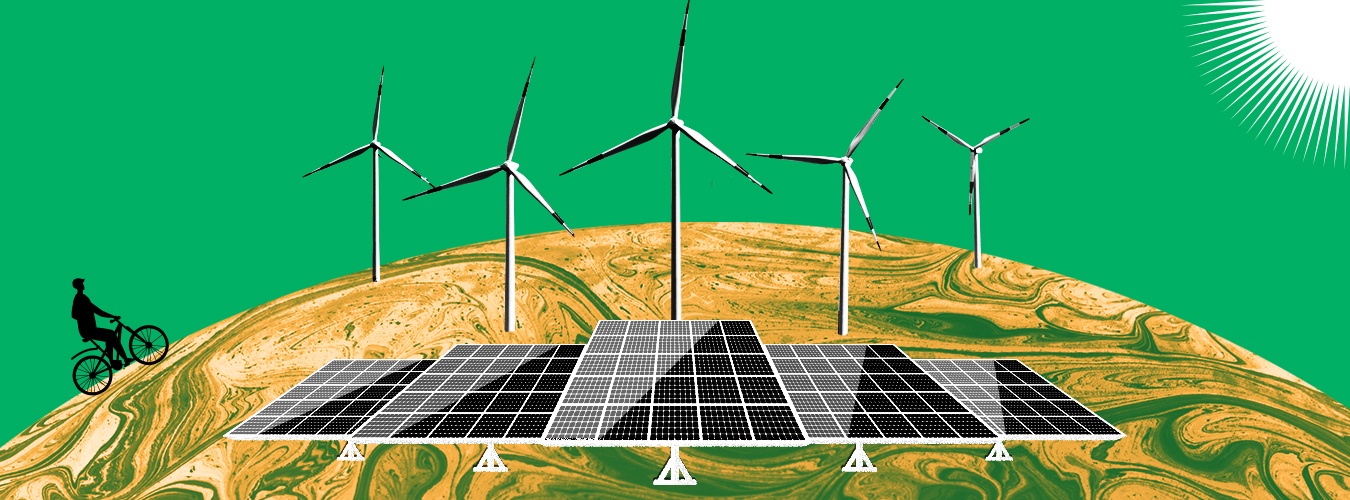
Energy is a critical component of the climate challenge, but it also holds the key to the solution. The majority of greenhouse gases that contribute to global warming are generated through the production of energy by burning fossil fuels. To combat climate change and create a safer future, it is essential to reduce emissions drastically and transition to clean and renewable sources of energy.
Renewable energy sources, such as solar, wind, water, waste, and geothermal heat, are abundant and replenished by nature. Unlike fossil fuels, they emit minimal greenhouse gases and pollutants. While fossil fuels still dominate global energy production, renewable energy is gaining momentum. Currently, around 29 percent of electricity comes from renewable sources.
Here are five compelling reasons why accelerating the transition to clean energy is crucial for a healthy and livable planet, both today and for future generations.
1. Renewable Energy Sources are All Around Us
Approximately 80 percent of the global population lives in countries that rely on fossil fuel imports. This dependency leaves them vulnerable to geopolitical shocks and crises. On the other hand, renewable energy sources are available in all countries, and their full potential is yet to be harnessed. The International Renewable Energy Agency (IRENA) estimates that 90 percent of the world’s electricity could come from renewable sources by 2050. Embracing renewables allows countries to diversify their economies, protect against price fluctuations in fossil fuels, and drive economic growth, job creation, and poverty alleviation.
2. Renewable Energy is Cheaper
Contrary to popular belief, renewable energy is currently the most cost-effective option in most parts of the world. The prices of renewable energy technologies have been rapidly declining. Solar energy costs have fallen by 85 percent between 2010 and 2020, while onshore and offshore wind energy costs have decreased by 56 percent and 48 percent, respectively. Lower costs make renewable energy more accessible, particularly for low- and middle-income countries that will witness significant growth in electricity demand. By 2030, renewable energy could provide 65 percent of the world’s total electricity supply and decarbonize 90 percent of the power sector by 2050. Despite short-term uncertainties related to post-pandemic price fluctuations, renewable energy remains a competitive and sustainable option.
3. Renewable Energy is Healthier
Air pollution resulting from the burning of fossil fuels poses severe health risks. The World Health Organization (WHO) estimates that 99 percent of people breathe air that exceeds air quality limits, contributing to over 13 million deaths annually. Switching to clean energy sources, such as wind and solar power, not only mitigates climate change but also reduces air pollution and related health issues. In 2018 alone, air pollution from fossil fuels caused $2.9 trillion in health and economic costs. Embracing renewables would alleviate these costs and create a healthier environment for all.
4. Renewable Energy Creates Jobs
Investing in renewable energy offers immense job creation opportunities. For every dollar invested in renewables, three times more jobs are created compared to the fossil fuel industry. The transition to net-zero emissions could result in the creation of over 14 million new jobs in the clean energy sector by 2030. Additionally, energy-related industries would require an additional 16 million workers, contributing to a total of more than 30 million jobs in clean energy, efficiency, and low-emission technologies. Ensuring a just transition that prioritizes the needs and rights of individuals is crucial to prevent anyone from being left behind.
5. Renewable Energy Makes Economic Sense
While the fossil fuel industry receives substantial subsidies, approximately $7 trillion in 2022, renewable energy investments are essential to achieve net-zero emissions by 2050. It is estimated that annual investments of around $4.5 trillion in renewable energy technology and infrastructure are needed until 2030. Although the upfront costs may be challenging for countries with limited resources, the long-term benefits far outweigh the initial investment. The reduction of pollution and climate impacts alone could save the world up to $4.2 trillion per year by 2030. Additionally, renewable technologies offer enhanced resilience, energy security, and a less volatile market compared to fossil fuels.
Investment in renewable energy presents a transformative opportunity for communities and countries. By embracing clean energy, we can create a sustainable, prosperous, and healthier world for present and future generations.
